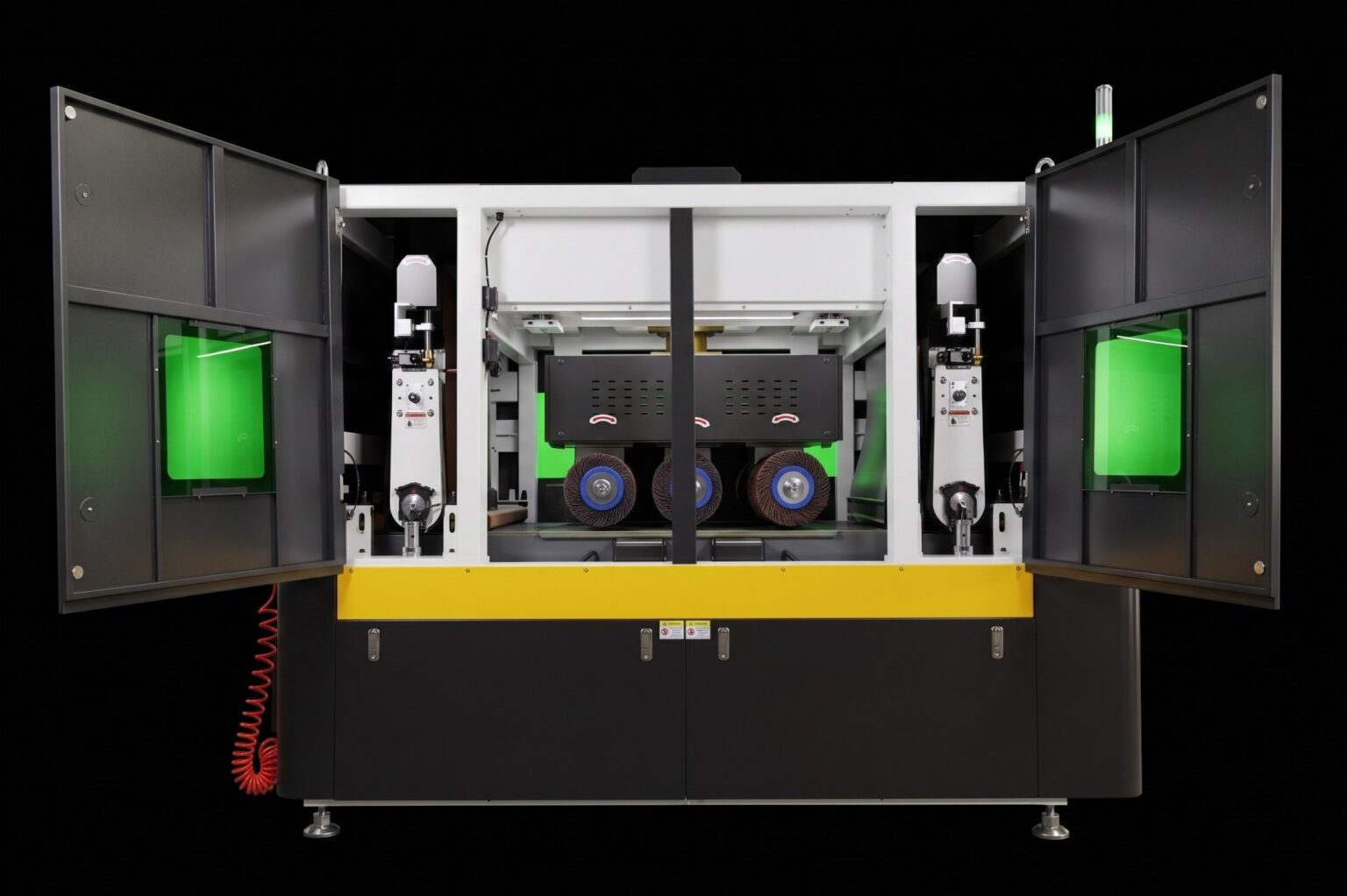
Embarking such complete analysis involving intelligent apparatuses designed optimized for burr removal boast enhanced fabrication processes, guaranteeing substantial upsides within rapidity and finish. This article examines the varied types of tools, embracing brush-based spraying systems, whirling tools, and innovative computer-controlled systems. We will cover the benefits of leveraging these advancements, such as decreased manpower requirements, enhanced product uniformity, and heightened fabrication capacity.
Perimeter Deburring Instruments: Consistent Finishing Clarified
Perimeter polishing systems offer a complex solution for delivering precise refining on products. Beyond manual methods, these computerized tools furnish regular results and greatly raise creation potency. They often apply several scraping gadgets like revolving burrs, lapping abrasives, or tailored patterns to get rid of sharp borders and defects. These kinds of technique is crucial in a wide spectrum of sectors, like automotive and precision engineering.- Improve covering caliber
- Lessen workshop spending
- Expand amount and functionality
Byproduct Disposal Apparatuses: Producing Spotless, Superior Appearances
Recent metal processing activities habitually generate significant amounts of slag, a byproduct that, if ignored, can severely degrade the appearance of the end result. Fortunately, advanced slag removal machines offer a steady solution. These exclusive machines, employing techniques like abrasion, are designed to completely eliminate this unwanted material, ensuring a sterile and top-tier surface. The resulting improvements include cut rejection rates, boosted aesthetic appeal, and an overall rise in output. By utilizing breakthrough slag removal technology, manufacturers can consistently deliver high-grade surfaces and satisfy stringent guidelines.
Metal Panel Treatment: The Benefits of Deburring Equipment
Realizing a top-level finish on sheet metal segments is vital for reliability, and deburring appliances provide remarkable improvements over non-automated methods. Clearing burrs quickly not only upgrades the aesthetic quality of the article, but also avoids likely issues during integration and application. Moreover, digital deburring techniques strengthen production velocities and reduce personnel spending.
Boosting Sheet Metal Production with Automatic Deburring
For the purpose of increase capacity in sheet metal manufacturing, embrace automatic deburring technologies. Classic deburring is frequently drawing-out and liable to errors. Utilizing automatic deburring delivers meaningful merits, like diminished worker expenditures, enhanced item consistency, and amplified production rates. These commitments can substantially repay themselves.Selecting the Right Deburring Equipment for Your Job
Recognizing the most suitable deburring equipment for your distinct needs necessitates a precise assessment of several factors. Initially, assess the category of component you're tackling – alloy requires varied techniques than plastic. Then, evaluate the volume and form of the units needing finishing touches. Eventually, weigh your capacity size; a significant operation needs a different type of machine than a low-volume one. Failing to account for these aspects may result in inefficient results and increased expenditures.
Edge Unit Process: Changes and Discoveries
Up-to-date edge finishing unit process is experiencing rapid evolution, powered by the requirements for boosted correctness and performance in fabrication operations. Central progressions contain the embedding of smart solutions for elastic burr removal procedures, alongside improvements in abrasive device. We're besides noticing a growth in small-scale burr removal devices catering for focused operations, and cutting-edge techniques like mechanical burr elimination are receiving endorsement. The trend indicates towards strengthened linkage of burr eliminating mechanisms within the intelligent factory context.
Boosting Customized Unit Quality with Perimeter Filleting
Many constructing processes for steel parts introduce sharp edges, which can bring about stress zones and vulnerabilities that damage overall quality. Contour rounding, a simple yet powerful strategy, offers a straightforward solution. It involves slightly chamfering the sharp edges of a unit during the manufacturing stage. This decreases stress regions, boosts resistance lifespan, and can control chipping. Benefits are further amplified when dealing with sophisticated designs or parts subjected to major weight. Considerations include the ideal rounding of the round and its influence on coupling with other components.
- Lowers Stress Regions
- Enhances Performance Ability
- Avoids Breaking
Byproduct Elimination vs. Deburring : Distinguishing the Divisions
Although many specialists use the names “slag removal” and “deburring” without distinction, they stand for distinct actions in metal manufacturing techniques. Edge cutting focuses on eliminating the sharp, often tiny, projections created during fabricating operations—these are excess pieces of metallic left on the part. Dross disposal, conversely, addresses an adjunct – typically a synthesis of flux – that appears during processes like forging. Essentially, deburring deals with residual margins, while slag treatment deals with these remains of a diverse operation. In summary, computerized deburring and dross removal equipment are necessary components of modern metal workshop that secure top-notch finished products with decreased defects and boosted efficiency.Ending the study points out the significant role of leading automated deburring technologies in modernizing assembly specifications and facilitating businesses realize advanced productivity and excellence.