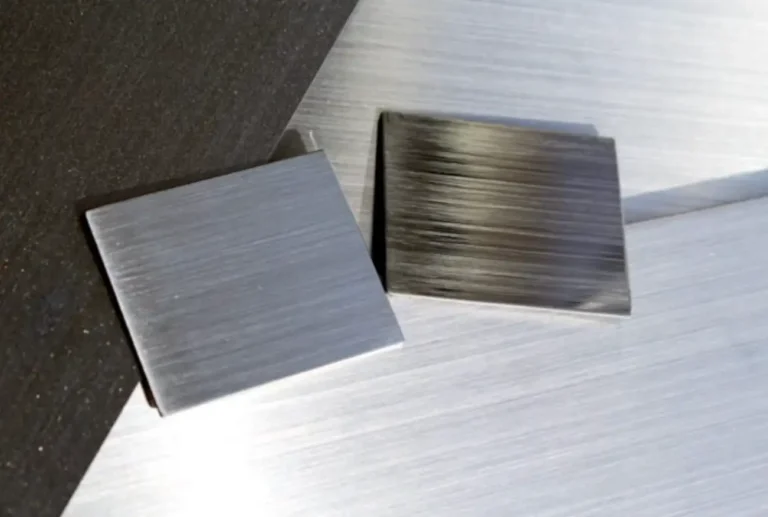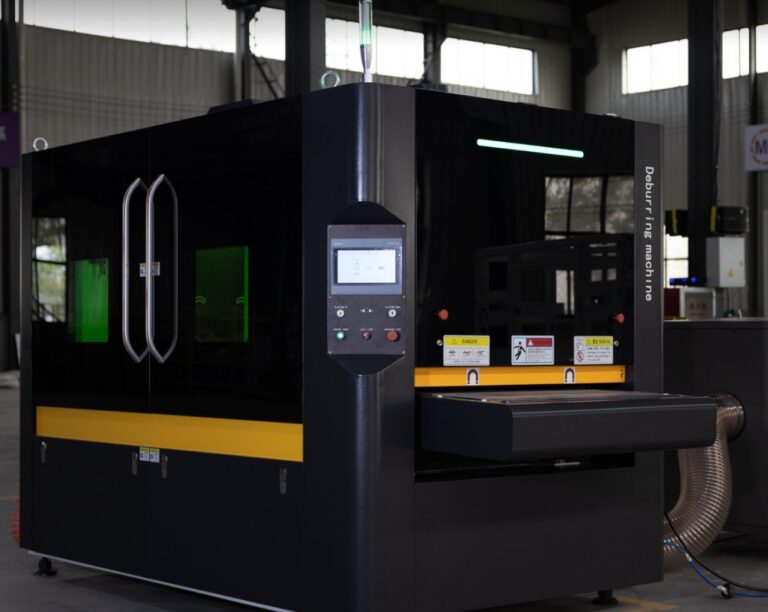
Opening at inclusive assessment about computerized devices built dedicated to burr elimination possess enhanced processing functions, guaranteeing notable enhancements regarding tempo and standard. The following unveils the diverse types of deburring solutions, made up of brush-based spraying modules, rotary instruments, and advanced robotic applications. We will explain the pros of integrating these solutions, featuring minimized labor costs, enhanced output accuracy, and amplified manufacturing efficiency.
Perimeter Rounding Instruments: Definite Refining Elaborated
Edge beveling tools offer a sophisticated solution for obtaining faultless finishing on items. As opposed to manual means, these digital devices supply dependable results and substantially boost output effectiveness. These devices usually implement different grinding appliances like whirling tips, lapping abrasives, or bespoke configurations to extract sharp edges and protrusions. This type of activity is necessary in a ample selection of trades, such as automotive and technology.- Elevate face condition
- Diminish industrial spending
- Expand amount and efficiency
Slag Discharge Mechanisms: Ensuring Immaculate, First-Class Facades
Latest metal fabrication techniques regularly generate significant amounts of dross, a byproduct that, if left, can severely weaken the value of the finished item. Fortunately, advanced scaling tools offer a robust solution. These dedicated machines, employing techniques like grinding, are designed to thoroughly eliminate this unwanted material, ensuring a sterile and exceptional surface. The resulting gains include lower rejection rates, strengthened aesthetic appeal, and an overall surge in manufacturing speed. By utilizing modern slag removal technology, manufacturers can consistently deliver top-tier surfaces and conform to stringent criteria.
Thin Sheet Refinishing: The Benefits of Deburring Systems
Achieving a first-rate coating on sheet metal parts is necessary for operation, and deburring machines furnish substantial positives over conventional methods. Reducing burrs effectively not only magnifies the superficial quality of the item, but also blocks likely complications during construction and usage. What’s more, precise deburring means increase creation pacedness and minimize staff spending.
Boosting Sheet Metal Production with Automatic Deburring
To amplify efficiency in sheet metal assembly, utilize computerized deburring methods. Hand deburring is ordinarily labor-intensive and inclined to inconsistencies. Adopting self-operating deburring delivers meaningful merits, like lessened personnel expenses, advanced part quality, and boosted processing capacity. This outlays are capable of rapidly repay themselves.Opting for the Perfect Deburring System for Your Operation
Selecting the best deburring equipment for your distinct needs demands a careful assessment of several considerations. Primarily, study the variety of substance you're handling – brass requires particular techniques than thermoplastic. Next, take into account the volume and contour of the items needing burr elimination. Ultimately speaking, think about your manufacturing output; a continuous operation necessitates a distinct type of equipment than a occasional one. Omitting to recognize these criteria potentially triggers faulty results and growing spending.
Edge System Process: Changes and Discoveries
Up-to-date edge trimming device technique is undergoing rapid development, prompted by the needs for increased detail and output in activities methods. Noteworthy movements highlight the adoption of robotic devices for scalable edge finishing processes, alongside improvements in brush device. We're besides tracking a increase in portable refining apparatuses intended for specific purposes, and groundbreaking strategies like plasma polishing are drawing attention. The future implies towards amplified connectivity of burr removal devices within the connected production center atmosphere.
Improving Composite Piece Excellence with Contour Filleting
Many assembling processes for iron parts introduce sharp edges, which can cause stress accumulations and deficiencies that degrade overall integrity. Border rounding, a simple yet powerful procedure, offers a straightforward solution. It entails slightly polishing the pointed edges of a module during the fabrication stage. This moderates stress zones, heightens functional effectiveness, and can stop damaging. Benefits are further amplified when dealing with elaborate figures or parts subjected to intense weight. Considerations include the optimal rounding of the fillet and its result on attachment with other pieces.
- Declines Stress Points
- Strengthens Resistance Lifespan
- Blocks Cracking
Impurity Disposal vs. Edge : Grasping the Discrepancies
While many operators use the designations “slag removal” and “deburring” without distinction, they indicate distinct processes in metal production activities. Bur reduction focuses on clearing the sharp, often tiny, outgrowths created during milling operations—these are excess substance of stock left on the unit. Impurity removal, conversely, addresses a remnant – typically a amalgam of residues – that forms during processes like casting. Sheet Metal Edge Rounding Essentially, deburring deals with residual margins, while slag treatment deals with these remains of a different action. To conclude, mechanized deburring and waste removal units are key components of modern metal creation that support high-quality finished products with minimized defects and enhanced efficiency.Finishing the analysis reiterates the key role of cutting-edge automated deburring technologies in transforming fabrication norms and supporting businesses accomplish heightened productivity and standard.