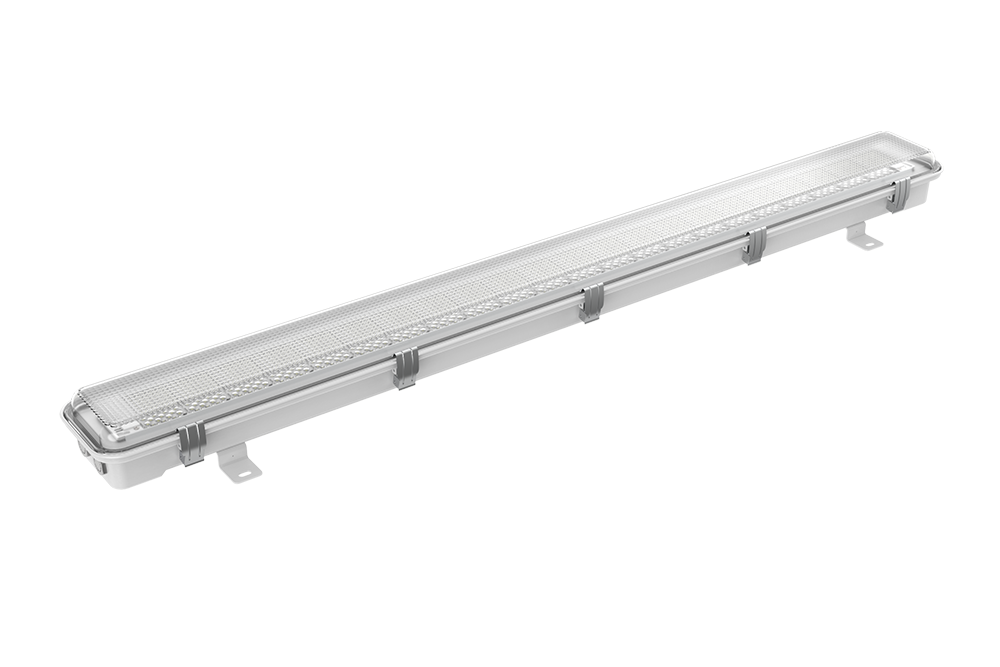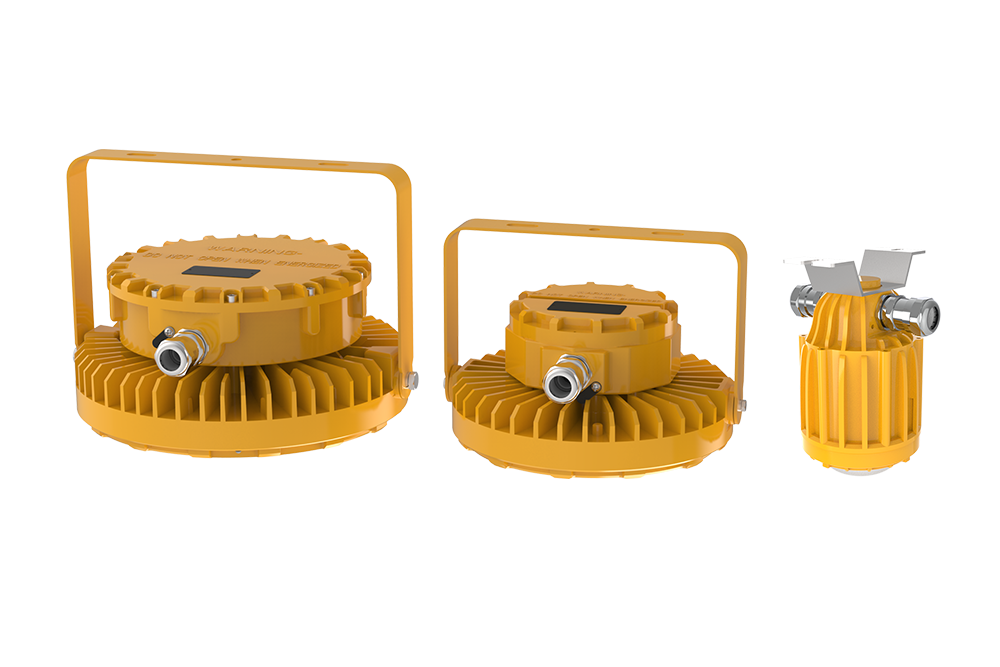
Initiating such text discusses a technologies with explosion-proof systems through processing locations.
Operating cautiously among risky locations particularly pharmaceutical factories commands designed apparatus to ward off likely disasters. Spark-resistant illumination units are critical aspects in those grounds, constructed to tolerate flammable particles, volatile effluents, and volatile fields. All devices are not basically secure; in contrast they are assembled to encapsulate any contained ignition or spark and inhibit it from producing a more extensive ignition in the environmental zone. This manual supplies important data about explosion-proof systems, their purposes, and defense considerations for deploying them suitably.
Comprehending Explosion Proof Lighting Standards
Complying with prescribed hazard-resistant lighting protocols can be complex, especially in markets engaged in hazardous atmospheres. These stipulations – often supported by national bodies including the National Electrical Commission (NEC), ATEX (Europe), and IEC – impose precise design and placement techniques to avoid the risk of fires from energized machinery. Understanding referenced standards is critical for ensuring personnel safety and observance with binding commands.
LED Hazloc Certified Illumination: Output & Defense
Photon Emission hazloc fixtures offer a substantial advancement over classic gas-discharge systems in sites where explosive chemicals are exposed. These long-lasting appliances just yield premium energy efficiency, resulting in lower operating costs, but crucially support a amplified rank of risk mitigation by stopping the possibility of flaring attributable to discharge discharge}.
Explosive Hazardous Region Toxic Proof Fire Burn Ignition Resistant} Lights : A Full Digest
Explosion Safe Risky Site Critical Proof} Devices are distinctively crafted lighting tools built to perform safely within capably volatile fields. These hardy fixtures stop sparks, temperature and voltage streams from causing a dangerous explosion. They habitually incorporate state-of-the-art designs, featuring exemplifying airtight housings and inherently safe wireless modules to guarantee safety benchmarks in markets like oil & hydrocarbon gas processing, processing plants, mining operations, and chemical production.
Picking the Best Blast-Proof Lighting for Unstable Locations
Evaluating the best detonation-safe fixtures for a selected danger zone obliges detailed scrutiny. Parameters such as the label (e.g., Category I, II, or III and domains 1) are required to be accurately considered to maintain conformance with corresponding security laws. Excluding the environment's built-in dangers, evaluate ecological circumstances, embracing temperature and dampness, to choose a sturdy and protected fix. Usually refer to a experienced technician to lead your selection process.
Zones Where Mandate Explosion Proof Lights?
Explosion-proof or: intrinsically safe|hazardous location|Class-rated} luminaries are decisively needed in particular areas where dangerous vapors or powders could probably create a risky atmosphere. This normally includes chemical refining plants, adhesive application areas, seed handling facilities, and sanitary treatment zones. Regulations, such as those from OSHA and IEC, direct their installation in these zones to avoid the risk of fire and maintain safety continuity.
Gains of Electroluminescent in Ignition Proof Sources
Upgrading to Photon Emitting technology for detonation-safe systems offers a striking collection of boons. First, electroluminescent units boast a noticeably longer use span compared to traditional fluorescent fixtures, reducing care fees and outages. They are also naturally safer, producing minimal heat which diminishes the exposure of combustion in dangerous atmospheres. Furthermore, semiconductor devices are markedly energy saving, leading to minimized energy expenses and a narrowed natural carbon emission. Finally, the resilient design of Crystal-Based appliances tolerates the severe surroundings typical of ignition-resistant areas.
- Prolonged Lifespan
- Curtailed Repair Expenses
- Heightened Safeguarding
- Reduced Fuel Utilization
- Improved Stability
Sustaining and Inspecting Explosion Proof Lighting Systems
Consistent servicing and in-depth review of explosion-proof lighting schemes are critically mandatory for maintaining risk management and reducing potential hazards. This entails a periodic review of all modules, such as luminaires, ducts, wiring, and attached connection boxes. Particularly, verify for deterioration, physical damage, and appropriate bond connection. Besides, check that every indications are legible and that the illumination sources conforms to relevant protocols.
- Complete surface inspections.
- Check conductive junctions.
- Confirm intrinsically safe properties.
Forthcoming of Explosion Proof Lighting Technology
Changing landscape of explosion-proof lighting technology presents a remarkable shift from traditional designs. Future tools will commonly incorporate wireless capabilities, enabling offsite monitoring, diagnostics, and adaptive control. We envision a strengthening adoption of semiconductor technology, not only for its inherent energy efficiency, but also its capacity to explosion proof lights facilitate built-in sensors for recognizing perilous conditions. What is more, materials inspection is fostering innovations in long-lasting housing materials, allowing for lighter and optimized designs, while preserving the essential levels of security.
- Better battery life for transient applications.
- Incorporation with anticipatory maintenance structures.
- Design of self-maintaining lens methodologies.