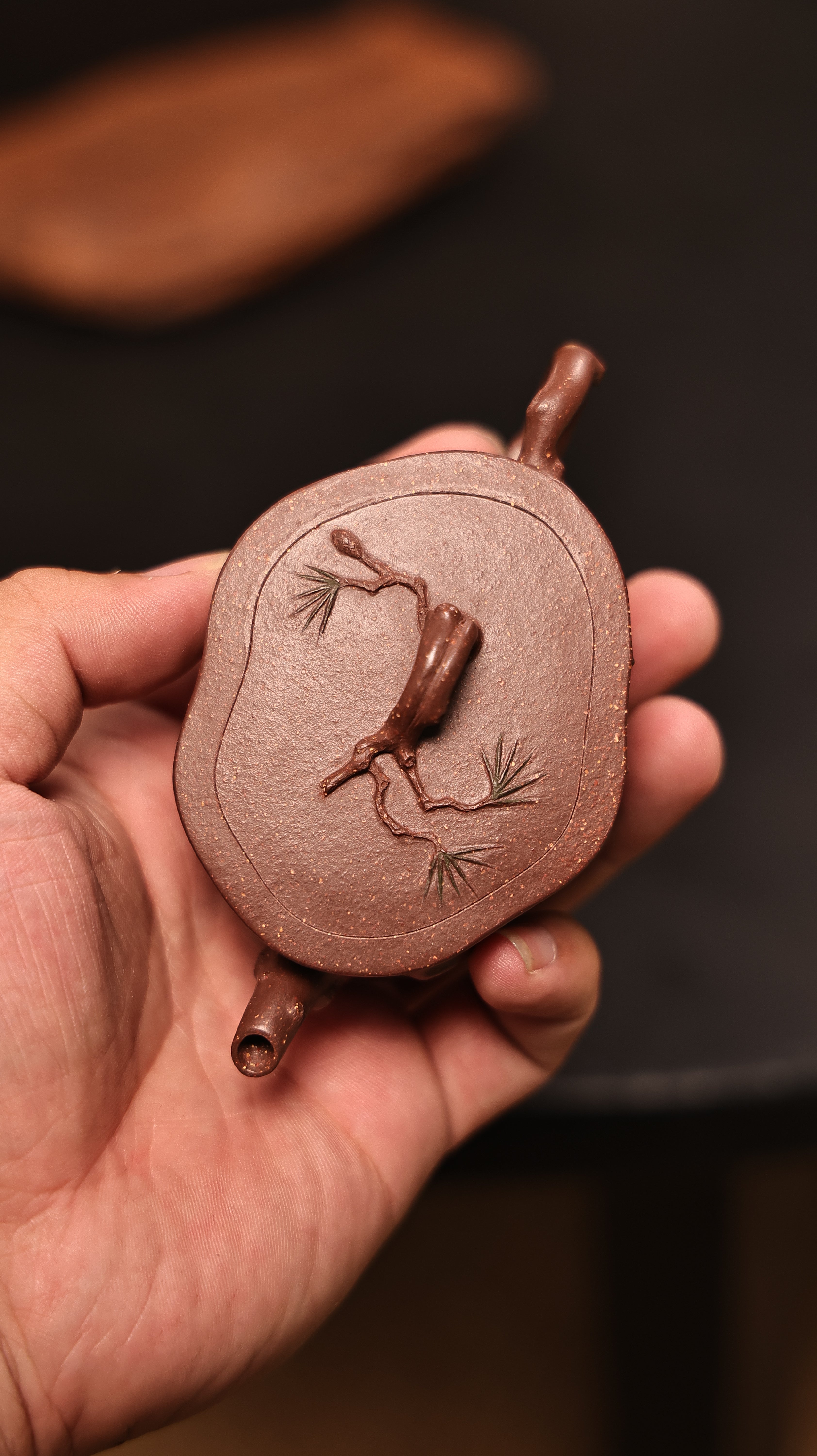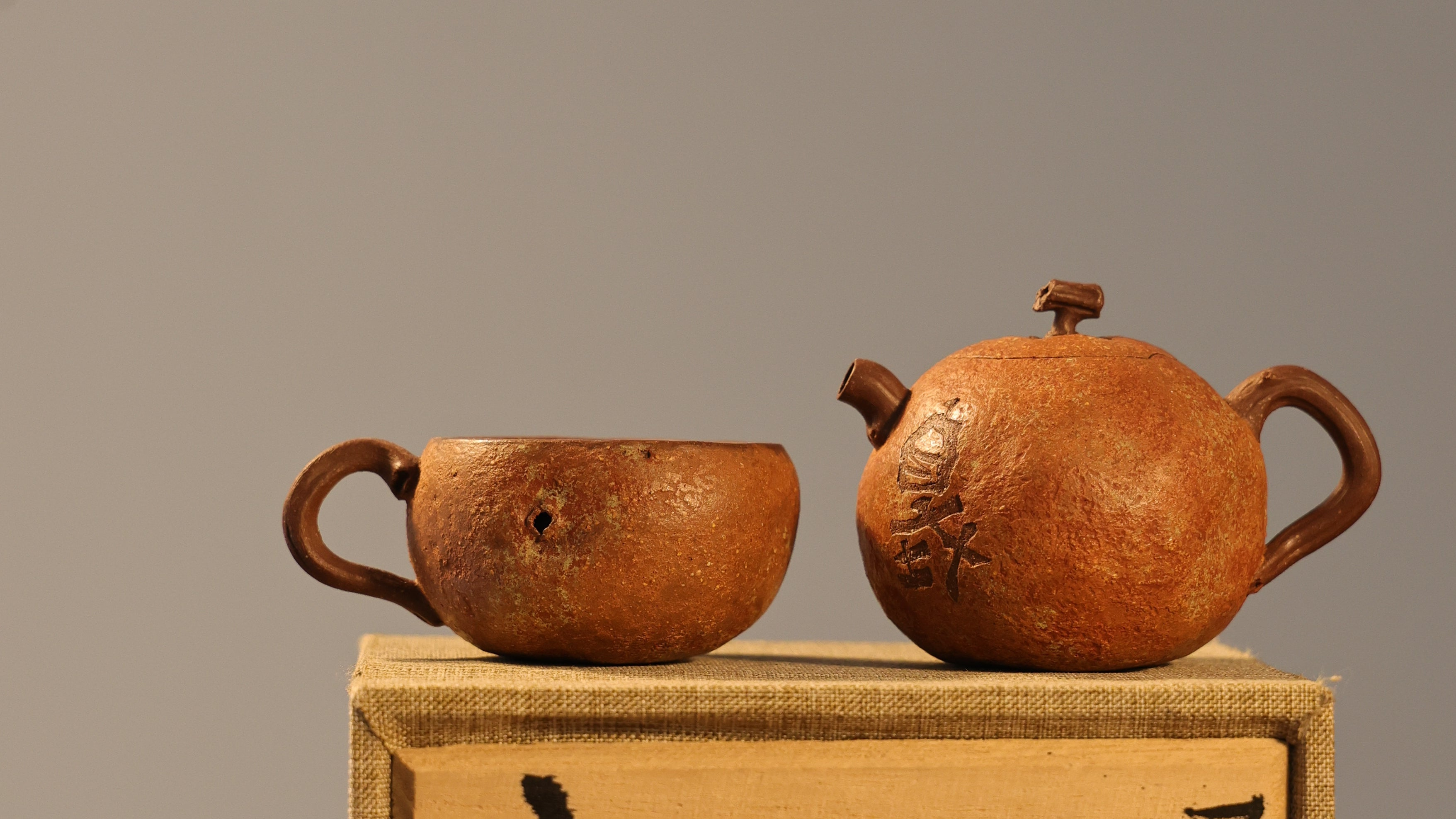
Kicking off such in-depth survey concerning Ising Tzu-sa clay vessels brings exclusive captivating combination with craftsmanship alongside performance.
Eysing Tz'u Sha brewing containers boast one exceptional attraction among collectors around the planet. Those remarkable earthenware containers, sourced from the distinct Yihsing locale inside Jiangsu territory, China, serve as more than just tea apparatus; they are viewed as works of beauty and cherished significance. Unique finely selected clay, known under the name Zisha, imparts a nuanced flavor to the tea, and the stylized designs, often exemplifying traditional Chinese symbols, contribute to their core value. Gaining a genuine Yixing Zisha teapot constitutes a delightful journey, requiring careful scrutiny and an knowledge of the several factors influencing the exclusivity.
Delving into Yixing Teapots
Yi-hsing ceramic containers boast a rich chronicle deeply interwoven with Chinese customs. Originating in Yixing, Jiangsu province, these jugs are crafted from a unique, porous purple material found only in that notable location. Their origins began during the Ming era, with master sculptors refining the approaches over centuries. Diverse types are found, including the classic Hexiang (resembling crab shells), Zhuni (red-brown hue), and Duan Ni (stone-studded) – each with distinctive qualities. The importance of an Yixing teapot isn't solely based on its size or design, but also on the artist’s reputation, the substance's quality, and the vessel’s age Yixing Zisha Teapot and condition. Collectors often seek out older examples, believing they accumulate the flavor of the drink brewed within them over time, further adding to their prestige.- Vintage Teapots
- Rust-colored Teapots
- Mineral-Stippled Teapots
Zisha Teapot Mastery: Technique & Techniques
Unique fabrication of Zisha teapots represents a culmination of Chinese ceramic expertise. Professional artisans employ traditional techniques, often passed down through ancestry, to unlock the full quality of this unique clay. Processes involve meticulous modeling by hand, often combined with the coiling method, followed by precise heating at incredibly strong temperatures in wood-fired kilns. Embellishing is equally crucial; craftsmen utilize authentic clay colors and may incorporate sculpting work to depict intricate scenes or patterns, demonstrating a profound insight of the material’s traits and capability. The completed teapot isn't merely a vessel for tea, but a testament to a substantial cultural custom.
A Claywares: Special Overview to Eysing Tzu-sa
Studying the world of Chinese teapots sometimes commences with Yixing Zisha. These uncommon clay pottery vessels are made from a singular type of clay extracted only in the Yixing region of the Jiangsu zone province. Known for its characteristic reddish-purple hue and fine traits, Zisha clay transfers a light flavor to the liquid and develops with age, evolving into a cherished collectible. Acquiring Yixing Zisha clayware is more than just retaining a handsome object; it’s a salute of ancestry and finesse.
Investing in Yixing Purple Clay: Genuine Nature & Growth
Entering the market of Yixing Zisha artifacts can be incredibly profitable, but calls for a thorough perception. Veracity is essential; several fakes are present, frequently deceptively made. Educating yourself about traditional tempering styles, identifying material attributes, and the labels of respected makers is absolutely paramount. Over and above, perceiving the fine points of the growth direction – influenced by factors such as classical role and the quality of the item – is key to beneficial buying.
- Examining kiln trajectory.
- Requesting specialists for authentication.
- Estimating commerce fluctuations.
That Discipline of Making with a Stoneware Pot
Such exclusive allure of a Zisha tool lies not just in its stunning appearance, but also in its illustrious impact on the bouquet of the beverage. These antique clay earthen vessels, sourced from particular regions of China, possess a fundamental porosity that softly interacts with the moisture and leaves, imbuing the infusion with a nuanced character. Mastering the skill requires a attentive approach, understanding how the substance responds to distinct temperatures and plant types, ultimately leading to a genuinely rewarding consuming journey.
Nurturing A Asset
Proper upkeep of your Yixing brewing pot is critical to retaining its quality. These singular teapots, crafted from exceptional Yixing clay, accumulate a character over periods that enhances their importance. Occasionally rinse the body with soft water, avoiding detergents, and never use rough scrubbing tools. Occasional gentle rubbing with a silky cloth can assist in eradicating residue. Allow your brewery pot to fully dry after each occasion
Explaining Yixing: Factors Given Kettles Symbolize Exclusive
The famous appeal of Yixing teapots arises from the exclusive properties of Zisha clay, mined solely near Yixing, Jiangsu. This distinct clay, consisting of ferruginous soil , holds a atypical combination of components that, as time passes, incorporate the note of the tea it steeps. This produces a exceptional note for each teapot, allowing it a importance far exceeding its beginning price and supporting to their honored status among collectors.
Locating the Suitable Oriental Earthenware: A Ceramic Directory
Venturing into the world of Purple clay teapots can feel complicated, but understanding the roots is imperative to determining a treasured piece. These clay, sourced mainly from the district of Yixing, the Jiangsu area, is celebrated for its exclusive grain and ability to boost the essence of the beverage over age. Reflect on the design, the shade, and the appearance; a authentic Zisha teapot is more than just a container; it's a beautiful creation and a symbol of Chinese culture. Analyze the engraving of the creator for clues to its source and potential price.