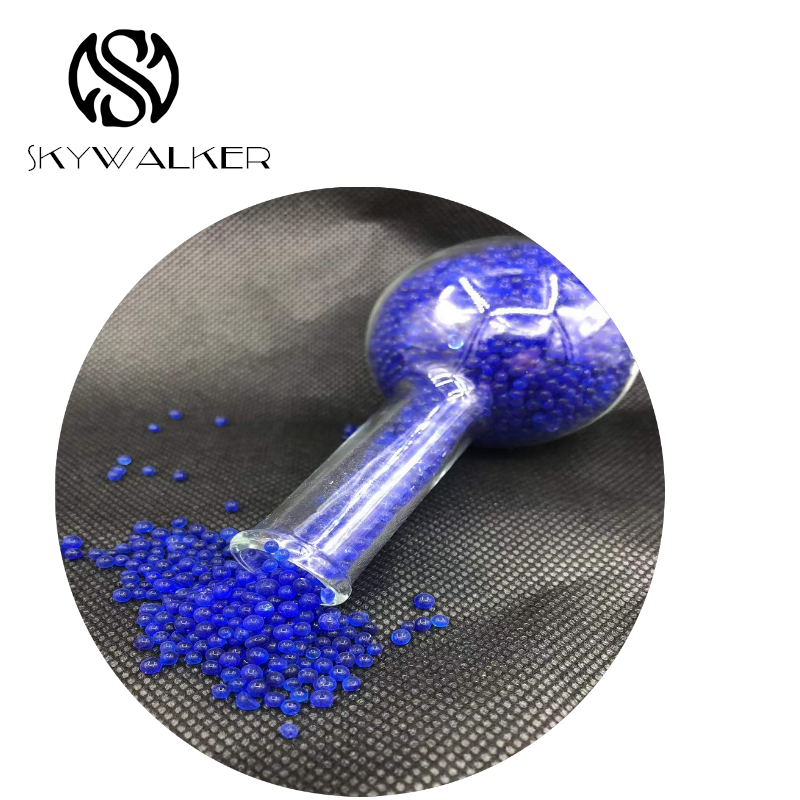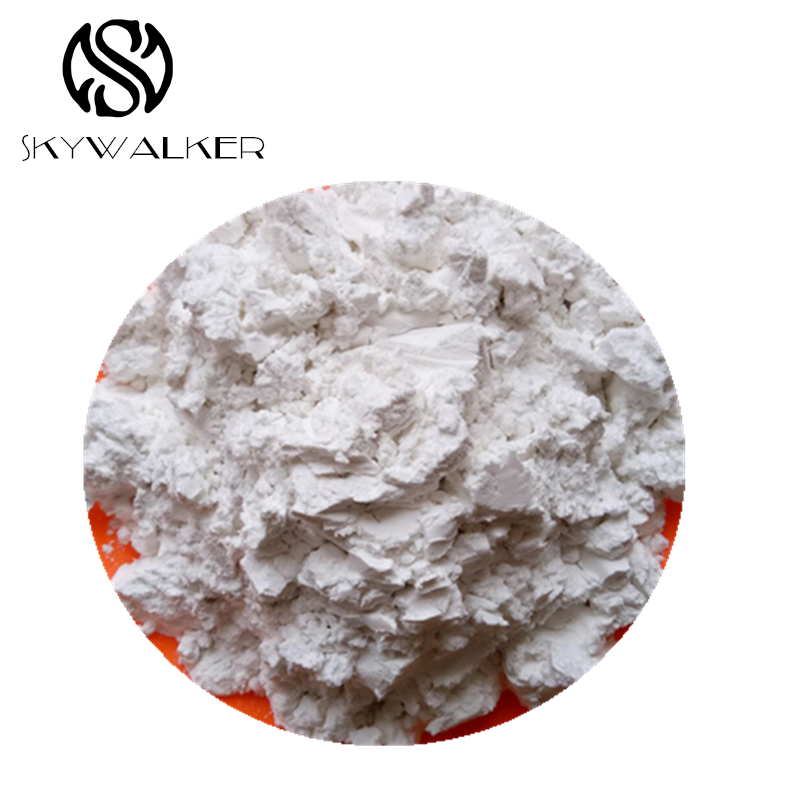
Startingthis filtering substance is a highly effective purifying compound regularly leveraged in various manufacturing operations, particularly in liquid refinement. Taken from the fossilized remains of diatoms, it exhibits a unique permeable architecture that supports heightened sieving. The medium serves by creating a slender sieve layer on a filter press, trapping minute particles while permitting liquid flow. Picking the correct classification of sedimentary filtration aid is paramount activated bleaching earth for best outcomes.
Applying Siliceous Microfossils Sediment for Separation
Diatomaceous earth, composed of the fossilized remains of microscopic algae called diatoms, presents a exceptional strategy for purifying various elements. Its structure, a delicate network of silicon dioxide shells, provides an incredibly ample surface area. This affords for highly powerful removal of contaminants from mixtures. Applications range from moisture refinement and drink manufacture to water environments treatment and even cultivation methods. Perks include its eco-friendly origin, economic viability compared to certain synthetic alternatives, and its proficiency to successfully retain a comprehensive variety of debris.
- Confers superior component removal.
- Can be a carbon-neutral choice.
- Well-suited for multiple areas.
Enhanced Bleaching Stratum: Attributes and Uses
Treated bleaching material is a style of unprocessed bentonite that has undergone targeted enhancement to strengthen its absorption capabilities. This system typically involves thermal metamorphosis, resulting in a modified design with a extensive terrain. Consequently, it exhibits remarkable skill to eliminate tints from a broad set of liquids, finding relevant duties in the whitening of animal fats, oils, and other natural substances. Besides, its eco-friendly quality and price attractiveness contribute to its expanding presence in various arenas.
Deciding the Superior Filter Aid: Diatomite or Others?
Determining the best separation aid for a specific process can be tricky. While bentonite and other replacements exist, diatomite often presents a strong case for its dominance. Compared with these rivals, diatomite typically offers superior limpidity and a boosted rate of removing debris. However, such perfect choice ultimately depends on considerations such as expense, function requirements, and required output class.
Scientific Principles of Diatomite Filtration
Siliceous sediment or known as porous earth filtration refining leverages the unique notable structure of or these microscopic or tiny algae shells. These said diatoms, upon when death, form produce a sedimentary siliceous rock substance composed made of intricately extremely porous built silica silicon shells. This or the porous or structured network or filter provides an incredibly astoundingly large or surface for holding particulate dimensionless matter elements from between liquids moist environments, achieving producing highly robust meticulous filtration refining.
Augmenting Decolorization Potential of Enhanced Substances
Augmenting aforementioned clarifying operation through stimulated earth presents a reliable measure for raising effectiveness. This green material, gathered from mud, possesses significant combined features that make possible for it to efficiently purify tainted contaminants from textiles, thereby lowering reliance on harsh artificial ingredients and enhancing a greater consequence.
Grasping Filter Powder Quality Levels
Picking the correct diatomite category is vital for competent clarification processes. Microfossil powder grades are grouped by their particle proportion, usually expressed in fine scales. Smaller grades, like FF or Filter-X, offer top-notch purity and are compatible for sensitive liquids, while rougher grades, such as Perlite or Celite 500, offer a stronger liquid transfer for minimal uses. Understanding these contrasts will help you to boost your screening returns and cut down fees connected with the system.
Sustainable-minded Sourcing of Siliceous Earth
The intensifying demand for diatomite earth necessitates a concentration on durable sourcing strategies. Traditional procurement often demands significant land disturbance and can damage neighboring ecosystems. At present, forward-thinking enterprises are probing alternatives, such as reclamation of old sites, ensuring curtailed disruption and upholding biological habitats. Furthermore, openness in the flow is advancing crucial, allowing consumers to select informed resolutions and champion environmentally wise practices. Therefore, responsible governance of porous earth earth materials is vital for long-term availability and limited environmental impact.
- Diminished land alteration.
- Revitalization of procurement sites.
- Advanced transparency in the distribution.
Processed Decolorizing Soil: A Analytical Approach
Reviewing a empirical outlook, altered brightening layer represents a singular class of tectosilicate minerals. At the start, nontronite powder is functionally modified via refinement – typically involving enzymatic intervention – to dramatically strengthen its trapping attributes. These conditioning creates a vast interface with a significant number of negatively charged locations, facilitating the adsorption of chromatic particles from aqueous phases. The dynamics mostly involves ionic bonds and Van der Waals contacts, bringing about a purer result.