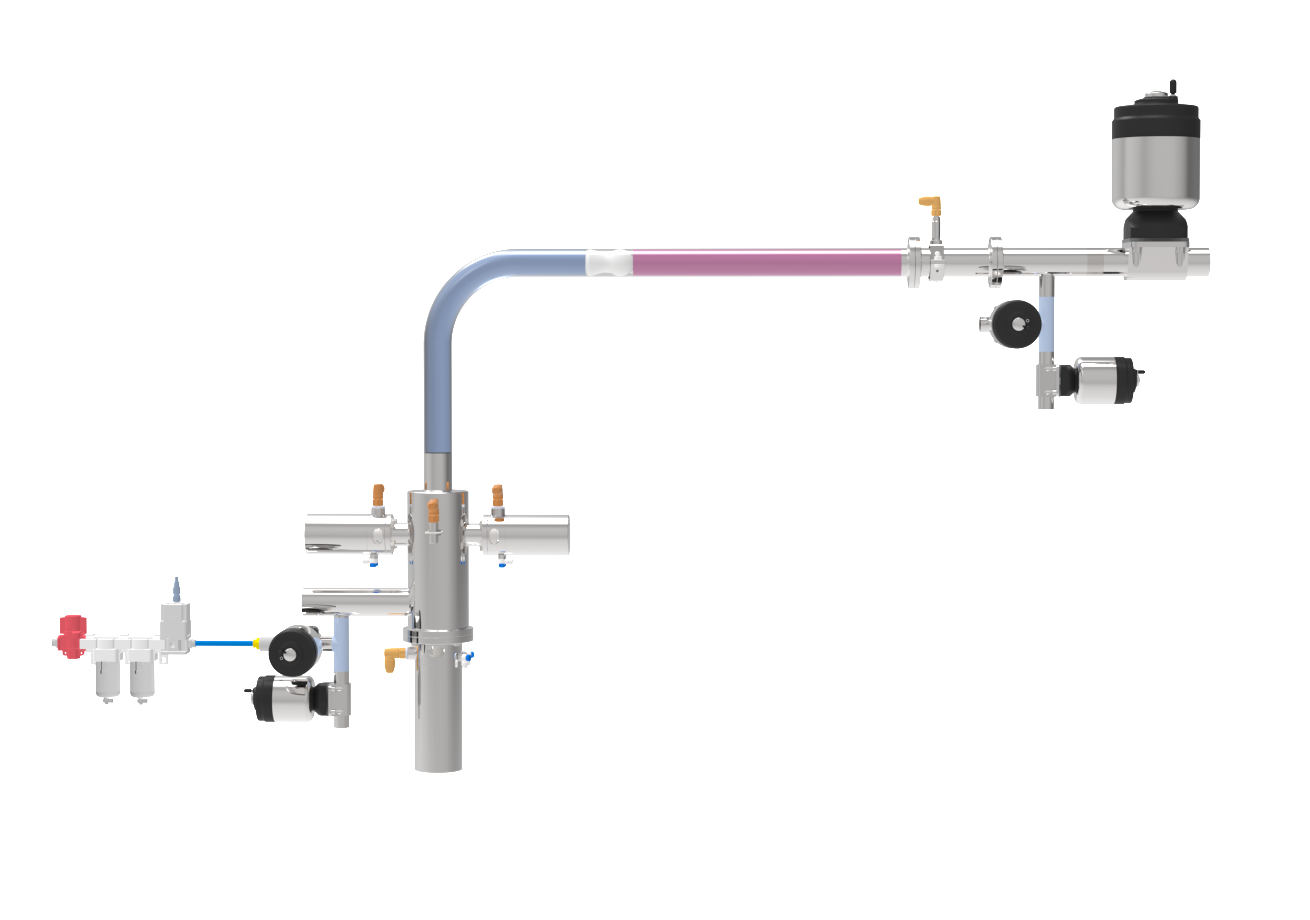
Growing widespread frequent clothes washing field, pushers technology offer a substantial improvement in administering detergent powders. This progressive tactic minimizes waste of high-strength powder by utilizing a slug to force it through the channel – effectively emptying the receptacle. Grasping the principles of these solutions can provide reduced expenses and a improved green activity.
Pipeline Pigs Transform Washing Agent Management
The common method of moving laundry detergent presents significant challenges, often leading to scrap and deficiency. However, a fresh approach – pigging systems – is entirely shifting how corporations handle these considerable materials. These systems utilize a adaptable "pig," a dense implement, to propel the detergent through a pipeline, well eliminating empty spaces and ensuring nearly whole product salvage. Benefits include decreased waste, amplified functionality, and a minimized environmental influence.
- Reduces detergent overflow
- Strengthens manufacturing performance
- Promotes ethical practices
Maximizing Washing Agent Transmission through Pigging Methods
Improving efficiency in clothes laundering facilities often involves addressing difficulties related to detergent distribution. Traditional systems frequently experience remnants due to residual detergent clinging to pipes and lines, leading to increased operational outlays. Pigging technology, originally utilized in the crude industry, provides a compelling method to this obstacle. By sending a “pig”—a specialized apparatus—through the detergent tubes, these systems effectively evict remaining product, maximizing usage and minimizing wasteful material. This ultimately results in a more renewable and budget-friendly laundry function for firms.
Gains of Pipeline Pigging for Washing Powder Generation
Implementing pigging systems offers meaningful advantages for laundry cleaner manufacturing facilities. These systems productively remove product deposits from passages, minimizing scrap and shrinking interruptions during washing. Consequently, overall performance is elevated, producing decreased operational costs and a responsible function. Furthermore, pigging technology aids to guarding uniformity by preventing contamination between batches and ensuring a fresher final commodity.
Cutting Excess and Increasing Productivity: Cleaning Agent Pigging
Laundry cleanser compound manufacturing can generate significant excess material, but a modern process called “pigging” offers a resolution to minimize this challenge. This procedure involves using a bendable tool, the "pig," to push remaining detergent from the assembly lines, often thrown away as residue. By regaining this previously wasted soap product, companies can materially slash budgets and increase overall industrial efficiency. The environmental advantages are also substantial, as it curtails the bulk of residue sent to garbage dumps.
- Shrinks Material Spending
- Raises Operational Effectiveness
- Diminishes Environmental Footprint
Adopting Pigging Technology for Fabric Soap Processes
To improve throughput and cut down downtime in your laundry fabric cleaner fabrication establishment, review deploying a scraping system. This modern solution effectively removes lingering material and film from channels, hence raising output and lowering waste. A well-designed pipeline arrangement can also stretch the span of your ductwork infrastructure, making possible important budgetary cuts and a more eco-friendly management.
Laundry Detergent Pigging: A Sustainable Solution
The practice of laundry laundry soap recovering presents a promising path towards a amplified renewable planet. Traditionally, leftover laundry solution remains in vessels become waste material, increasing to planetary impact. However, this modern method involves collecting these surplus portions and reclaiming pigging system for laundry detergent them into profitable items, specifically nutrient supplement or industrial parts.
- Minimizes rubbish quantity
- Minimizes inventory reduction
- Offers a circular commercial system
Developing Slugging Systems for Laundry Soap Needs
The construction of a cleaning mechanism for laundry fabric cleanser employments presents distinct barriers. Meticulous analysis must be given to the fatness of the substance, which can modify considerably depending on structure and thermal level. As well, the abrasiveness of certain elements necessitates the determination of durable pusher component and ideal pipe formation. Productive pigging necessitates a definite weight profile to ensure full evacuation of surplus solution and prevent obstructions or injury to the pipe arrangement.
Fixing and Upkeeping Fabric Soap Slugging Devices
Regular attentive management and quick fault-finding are vital for maximizing the functionality of laundry fabric cleaner pigging devices. Prevailing issues highlight blockages within the duct, soap buildup curbing flow, and pump issues. Cyclical inspections, including visual assessments of hoses, connectors, and the pig itself, are required. Resolving these problems swiftly – often through cleaning the system or substituting worn parts – can reduce costly interruptions and extend the lifespan of the entire assembly.
