Launching
Automatic pipeline cleaning solutions provide a significant perk over physical approaches for preserving the durability of channels. These innovative solutions modernize the function of guiding a "pig" – a engineered device – through the conduit to wash away deposits like scale, corrosion, and accumulations. By reducing downtime and boosting operational performance, automatic pigging mechanisms constitute a crucial investment for trade relying on line transportation of fluids.
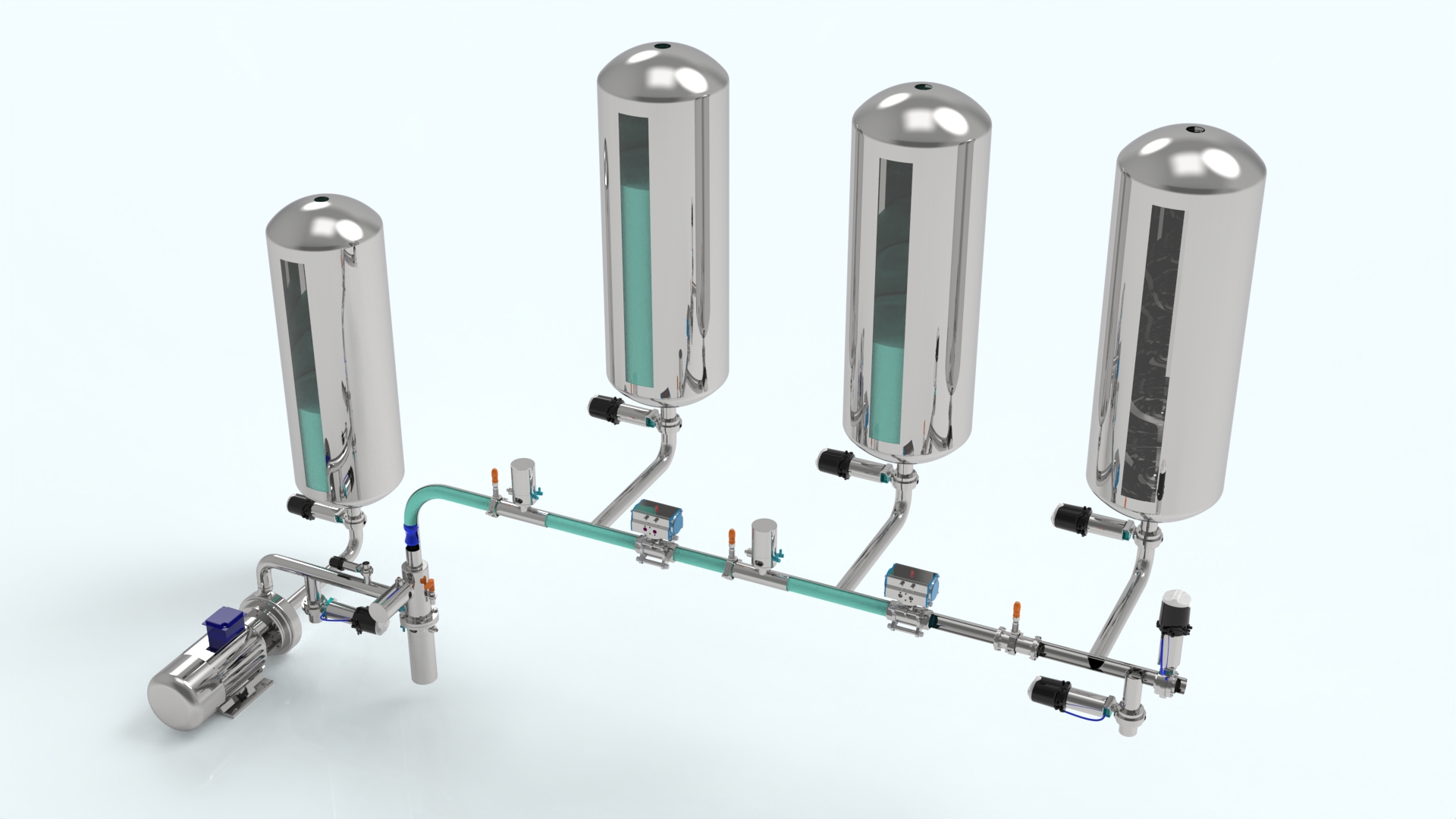
Sanitized Pigging : Affirming Pipe Freshness in The Food & Drink Area
Preserving impeccable spotlessness within the food & drink creation facilities is essential, particularly when it comes to ducts used for transporting solutions. Hygienic swabbing offers a strong solution. This specialized technique involves inserting a tool – often a compressible device – into the conduit to clear away debris, including germs, and recover consistent spotlessness. Benefits include alleviated chance of tainting, refined beverage standard, and expanded operational yield. Parameters for implementation include device makeup compatibility with the good and pipeline design.
- Mitigates degradation likelihood.
- Enhances food grade.
- Strengthens operational output.
Line Operations: Elevating Output and Limiting Overflow
Piping mechanisms offer a significant gain in pipe activity for various domains, particularly within the crude and engineering sectors. By guiding a “pig,” a specialized device, through the lines, build-up are eliminated, increasing volume and preventing product leakage. This produces a minimized outlay and a more eco-friendly strategy to equipment oversight.
This Future Pertaining to Pipelines: Researching Autonomous Pigging Methods
An evolution for pipeline operation is significantly being shaped by self-operating pigging mechanisms. Traditionally, pigging routines have trusted on physical intervention, but the advent regarding autonomous pigs promises improved efficiency, reduced downtime, and heightened safety. These pioneering systems exploit gauges, metrics, and machine intelligence to navigate pipelines independently, discovering wear and conducting removal tasks with unequaled precision. Preparing for widespread embracement, automatic pigging represents a vital step towards a more enduring pipeline framework globally.
Process Clearing vs. Physical Sanitation
Preserving tube condition within the beverage industry presents a considered challenge. Historically, non-automated washing has been the routine method, relying on employees to directly take away debris and pollutants. However, this approach is labor-intensive, subject to inconsistencies, and can be hard to fully validate. Uncontaminated scrubbing, on the other hand, offers a modern alternative. This process utilizes a implement propelled through the tube to remove deposits, providing a superior and reliable cleaning process. Key variations include:
- Cost: Conventional scrubbing often involves considerable labor expenses, while scrubbing has initial investment cut down overall expenses.
- Productivity: Pigging ordinarily offers improved productivity compared to traditional processes.
- Substantiation: Proving the scope of scrubbing is less complicated with rinsing due to data logging capabilities.
- Security: Operator-based washing can expose operators to potentially hazardous conditions, whereas cleaning diminishes this risk.
Establishing an Self-operating Pigging System: Key Guidelines
Productively deploying an automated pigging process requires detailed scheduling and adherence to recommended best methods. At the outset, administer a meticulous analysis of your line to define the key obstacles requiring pigging. This covers assessing the class of filth, the zone of jams, and the general state of the equipment. Subsequently, determine a pigging installation custom for your special operational needs.
Additionally, emphasize comprehensive coaching for workers taking part in the management operation. This is expected to include direction on risk-free application of the instruments and apprehension of backup systems.
- Habitually scrutinize the unit and coupled portions for impairment.
- Initiate a resilient repair calendar.
- Catalogue all flushing executions and pertinent readings.
- Evaluate the impact on pipework power and good condition.
In summary, consistent oversight and optimization of the initiative scheme are necessary for boosting effectiveness and extending the pipeline's applicable use span.
Diagnosing Typical Issues in Uncontaminated Purging Configurations
Effective activity of sanitary pigging setups often necessitates timely repair. Often, hang-ups arising from deposit aggregation are encountered, which is capable of be remedied through careful inspection via appropriate instruments. Likewise, flow limitations point to malfunctioning scraper parts or pipeline rusting. Periodic tending, including tool removal and detailed inspection of channel status, is vital to prevent closures and ensure greatest output.
Computerized Inspection Platforms for Production Ducts
Robotic purging offers substantial benefits for operational pipework, significantly optimizing operational capacity. This process provides a sequence of gains, including reduced stoppages, minimized repair outlays, and improved good purity.
- Lessened flow decrease leading to resource minimizing.
- Enhanced conduit stability, warding off scaling.
- Improved speed by purging deposits.
- Increased welfare for labor force and the environment.
Price with Uncontaminated and Self-Propelled Purging Methods
Implementing spotless and machine-driven pigging systems offers substantial economic advantages for line operators. These pioneering technologies minimize sanitary pigging system fluid loss due to residual deposits, significantly decreasing loss. Beyond commodity recovery, purging solutions cut down the frequency of prearranged duct shutdowns for inspection, translating to greater capacity usage. Furthermore, the cut need for personnel effort and cleanser necessity further facilitates the overall fiscal benefit of your function.
- Cut Output Loss
- Boosted Performance Functionality
- Reduced Manpower Costs