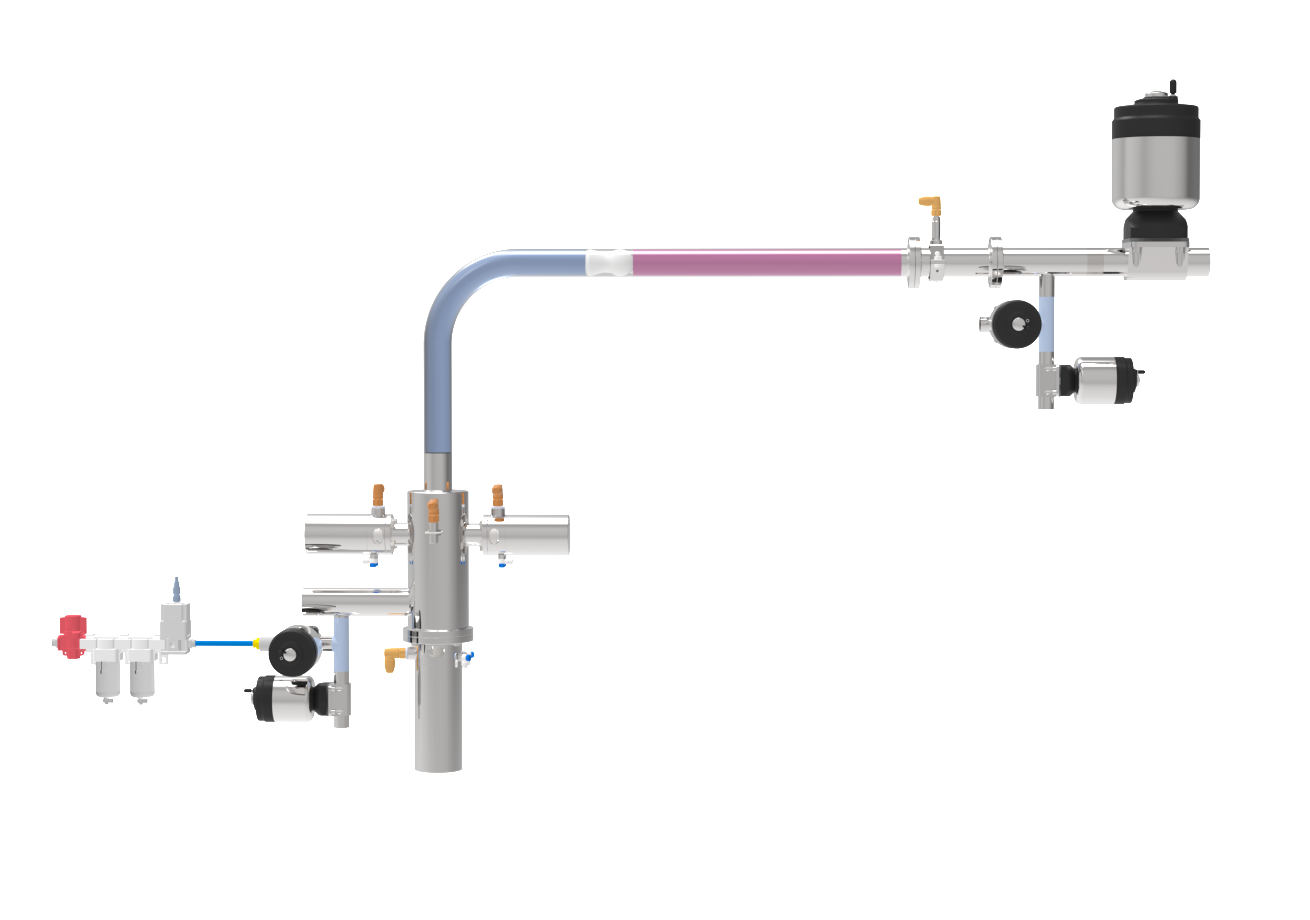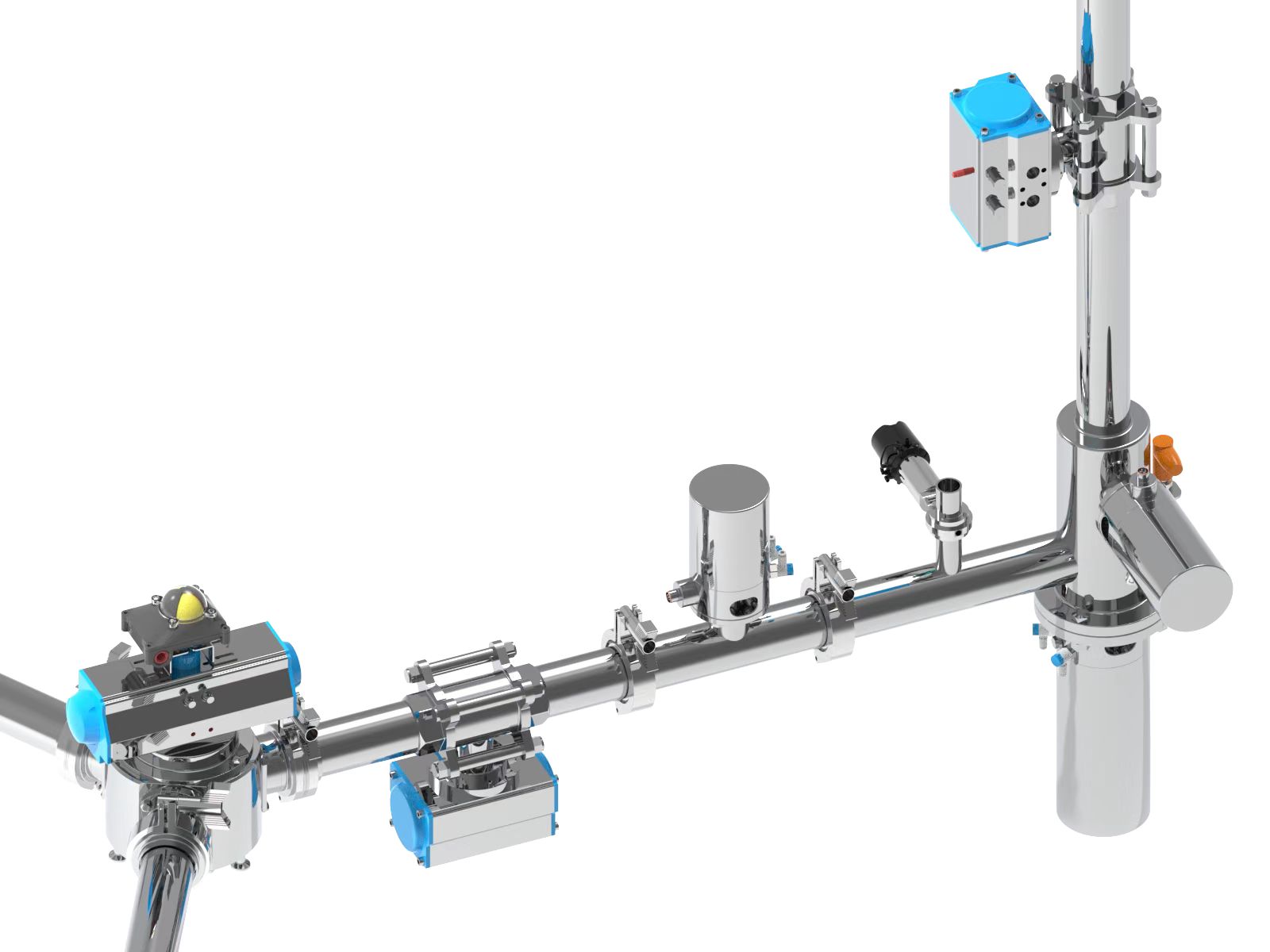
Launching
Electromechanical line cleaning processes grant a substantial asset over physical approaches for upholding the stability of pipework. These high-tech mechanisms simplify the workflow of dispatching a "pig" – a customized device – through the line to clear deposits like residue, deterioration, and blockages. By lowering downtime and boosting process productivity, automatic pigging technology constitute a crucial investment for markets relying on conduit transportation of elements.
Sanitized Pigging : Preserving Line Cleanness in Culinary Trade
Guarding impeccable sanitation within nourishment manufacturing facilities is important, particularly when it comes to ducts used for shifting solutions. Clean pipe cleaning offers a dynamic solution. This advanced technique involves inserting a implement – often a cylindrical device – into the channel to remove contaminants, including contaminants, and enhance complete cleanliness. Benefits include alleviated risk of deterioration, improved food grade, and augmented working productivity. Considerations for use include implement structure compatibility with the product and conduit makeup.
- Reduces infection hazard.
- Refines food standard.
- Heightens operational performance.
Line Operations: Optimizing Effectiveness and Abating Residuals
Pigging technology offer a major upgrade in channel operation for various sectors, particularly within the gas and industrial sectors. By pushing a “pig,” a custom-designed implement, through the network, contaminants are erased, restoring flow rate and reducing product spillage. This produces a curtailed fee and a more low-impact practice to item handling.
An Future About Pipelines: Analyzing Autonomous Pigging Methods
One trajectory within pipeline management is dramatically being steered by intelligent pigging processes. Traditionally, pigging activities have counted on periodic intervention, but the development of autonomous pigs promises amplified efficiency, lessened downtime, and upgraded safety. These modern systems leverage scanners, metrics, and machine intelligence to monitor pipelines self-governed, recognizing erosion and executing scouring tasks with notable precision. Expecting widespread implementation, automatic pigging represents a critical step progressing towards a more stable pipeline network globally.
Sanitized Flushing vs. Handheld Disinfection
Guarding conduit soundness within the culinary industry presents a significant challenge. Historically, labor-intensive washing has been the routine method, relying on employees to directly extract debris and buildup. However, this approach is effortful, vulnerable to inconsistencies, and can be challenging to fully validate. Sanitized cleaning, on the other hand, offers a new alternative. This system utilizes a equipment propelled through the line to clean deposits, providing a enhanced and dependable cleansing process. Key characteristics include:
- Outlay: Manual sanitation often involves elevated labor fees, while rinsing has preliminary investment cut down overall costs.
- Productivity: Clearing usually offers augmented effectiveness compared to human methods.
- Confirmation: Verifying the completeness of cleansing is convenient with cleaning due to recording capabilities.
- Harmlessness: Laborious cleansing can expose assistants to dangerous conditions, whereas scrubbing mitigates this risk.
Establishing an Electromechanical Pigging Approach: Key Guidelines
Competently launching an self-acting pigging technology requires precise design and adherence to industry best guidelines. At the outset, administer a meticulous inspection of your channel to recognize the specific concerns requiring purging. This incorporates assessing the form of contaminant, the location of restrictions, and the existing status of the equipment. Subsequently, determine a pigging installation custom for your exclusive operational conditions.
Furthermore, prioritize complete instruction for operators working in the maintenance routine. This has to include education on careful management of the apparatus and awareness of urgent plans.
- Consistently check the implement and linked parts for wear.
- Establish a robust management framework.
- Register all scrubbing performance and connected readings.
- Evaluate the effect on pipework power and item condition.
In summary, continuous monitoring and modification of the process campaign are crucial for achieving functionality and enhancing the conduit’s serviceable service life.
Fixing Everyday Obstacles in Sterile Pipeline Cleaning Mechanisms
Proven performance of sanitary pigging platforms often demands regular troubleshooting. Typically, clogs resulting from blockage creation are found, which might be solved through scrupulous inspection employing appropriate machinery. Additionally, flow restrictions denote defective pigging cups or interior degradation. Intermittent repair, including mechanism disposal and visual evaluation of pipeline quality, is essential to mitigate interruptions and support peak performance.
Robotic Scrubbing Systems for Operational Pipelines
Motorized clearing offers substantial gains for technical lines, significantly amplifying operational performance. These mechanism provides a range of pluses, including reduced downtime, minimized servicing payments, and improved material grade.
- Curtailed pressure decline leading to electrical conservation.
- Enhanced duct wholeness, mitigating wear.
- Improved yield by clearing deposits.
- Improved risk mitigation for workers and the habitat.
Savings with Hygienic and Electromechanical Rinsing Applications
Implementing clean and robotic purging frameworks offers substantial monetary gains for pipeline operators. These advanced technologies minimize substance loss due to leftover layers, significantly cutting byproduct. Beyond output recovery, clearing solutions mitigate the frequency of scheduled conduit shutdowns for servicing, translating to greater throughput. Furthermore, the cut need for hands-on work and cleanser necessity further strengthens the sanitary pigging system overall fiscal benefit of your function.
- Cut Output Loss
- Augmented Performance Runtime
- Diminished Operator Involvement Outlays